
Understanding the Priorities of Modern Development Projects
Every project is driven by a combination of schedule, budget, and quality objectives.
Developers want to move projects forward efficiently. Engineers need reliable data to support design decisions. Contractors depend on accurate information to execute work in the field. Municipalities require compliance with applicable standards and regulations.
Successful survey partners understand these competing priorities and develop solutions that align with project goals.
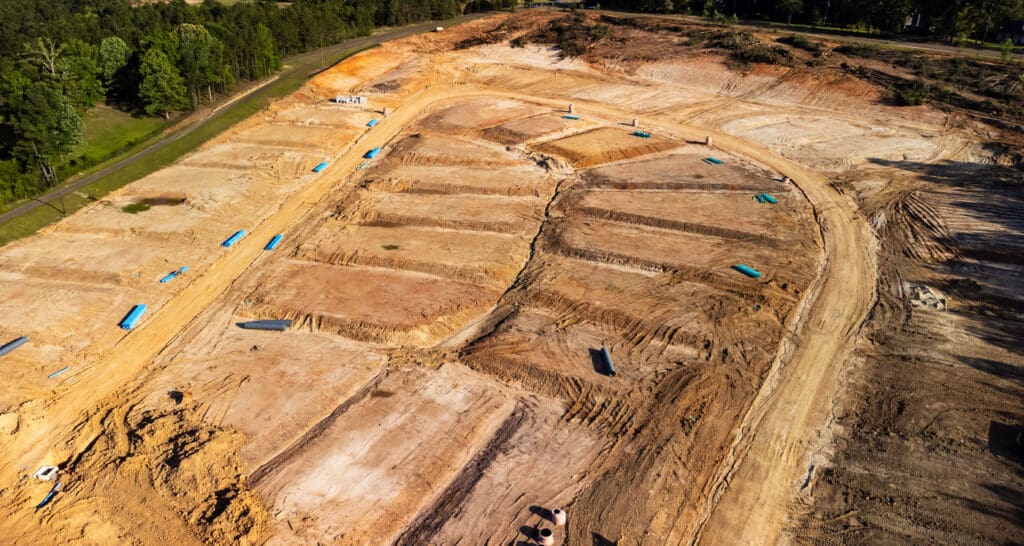
Fast and Accurate
Many projects operate under aggressive timelines.
Whether supporting land acquisition, entitlement efforts, infrastructure improvements, or active construction, survey information is often needed quickly to maintain project momentum.
Meeting accelerated schedules requires:
- Experienced field personnel
- Advanced surveying technology
- Efficient project management
- Dedicated quality control processes
- Scalable staffing resources
At H&M Surveying, we regularly leverage GPS, robotic total stations, LiDAR, drone technology, and streamlined workflows to provide accurate deliverables within demanding project schedules.
When time is critical, our focus is on deploying the resources necessary to maintain both speed and quality.
Accurate and Budget-Conscious
Not every project requires an accelerated timeline.
When schedules allow for standard production workflows, project teams often benefit from a highly cost-effective approach that still delivers the reliable information necessary for successful project execution.
This approach is particularly valuable for:
- Due diligence projects
- Long-range development planning
- Property acquisitions
- Municipal studies
- Preliminary engineering efforts
By aligning project scope with project objectives, surveyors can maximize value while maintaining the level of accuracy required for informed decision-making.
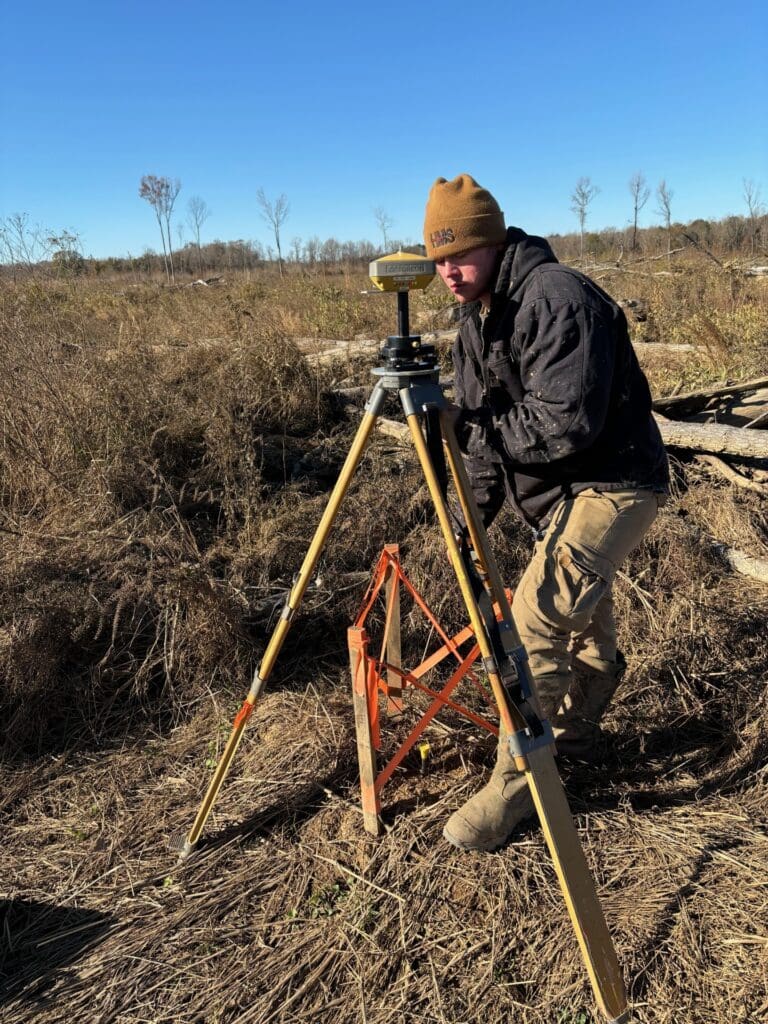
Why Accuracy Remains Non-Negotiable
Every decision made after the survey relies upon the quality of the information collected.
Boundary surveys influence property ownership decisions. Topographic surveys support drainage and grading design. Utility mapping impacts infrastructure planning. Construction staking guides field execution.
Because survey data serves as the foundation for so many project activities, accuracy is not simply a deliverable, it is a responsibility.
Reliable information allows project teams to move forward confidently, make informed decisions, and reduce uncertainty throughout the project lifecycle.
Value Beyond the Survey Fee

Surveying typically represents a small percentage of a project’s total investment.
However, the information generated often influences millions of dollars in land acquisition, engineering, permitting, infrastructure, and construction decisions.
For this reason, experienced developers and engineers frequently evaluate surveying services based on value rather than fee alone.
Value comes from:
- Reliable information
- Responsive communication
- Schedule performance
- Technical expertise
- Reduced project uncertainty
- Deliverables that support downstream project success
The goal is not simply obtaining a survey.
The goal is obtaining information that allows the project team to make better decisions.
The H&M Surveying Approach
At H&M Surveying, we understand that every project has unique schedule and budget requirements.
Our responsibility is to develop solutions that support those objectives while maintaining the level of quality our clients expect.
We invest in technology, training, quality control, and experienced personnel because we believe accurate information creates better project outcomes.
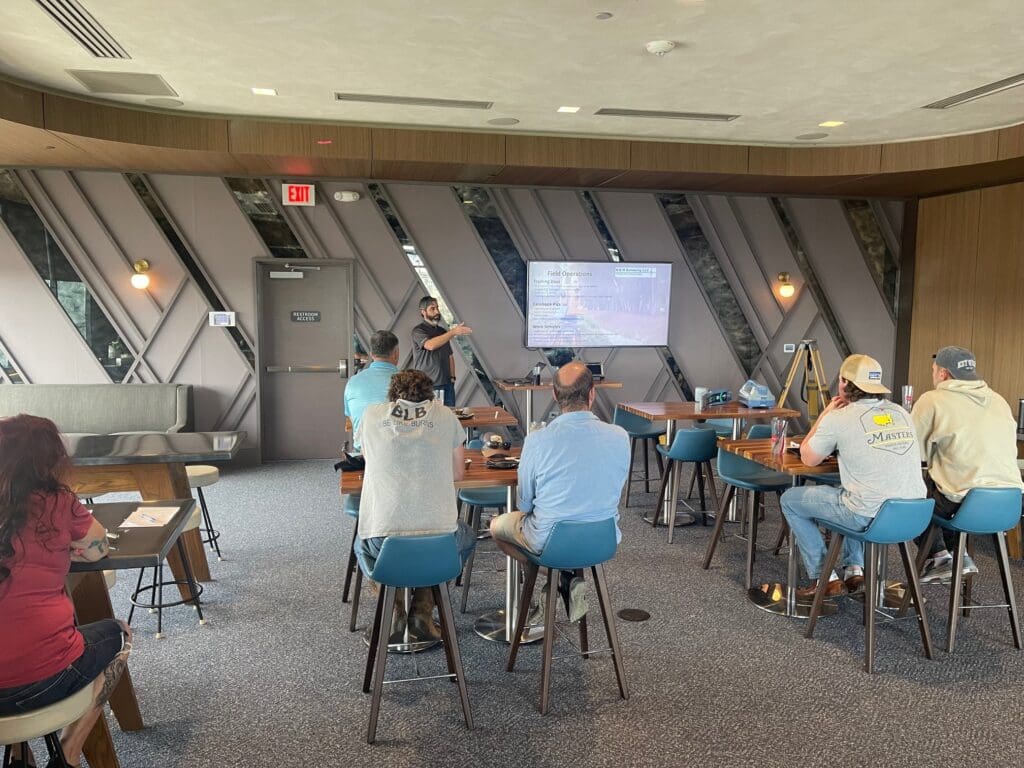
When projects require accelerated schedules, we commit the resources necessary to meet those demands.
When projects prioritize value, we develop efficient approaches that maximize return on investment.
What remains constant is our commitment to accuracy.
Because accurate survey data is not an expense but an investment in project certainty.
Accuracy First. Customers Always.
Frequently Asked Questions
Accurate survey data serves as the foundation for land development, engineering, permitting, and construction projects. Property boundaries, topography, utilities, easements, and site improvements all influence critical project decisions. Reliable survey information allows project teams to design, permit, and build with confidence while reducing uncertainty throughout the project lifecycle.
Not necessarily. While cost is an important consideration, surveying influences decisions that can impact design schedules, permitting timelines, utility coordination, and construction activities. The best value comes from receiving accurate, dependable information that supports informed decision-making and helps projects move forward efficiently.
Accurate surveying provides developers with the information needed to evaluate site opportunities, identify constraints, plan infrastructure, and support entitlement efforts. By understanding property boundaries, utilities, easements, floodplain impacts, and existing conditions early in the process, developers can make better investment decisions and reduce project uncertainty.
Civil engineers rely on survey data to develop grading plans, drainage systems, utility layouts, roadway improvements, and site designs. Accurate topographic and utility information allows engineers to design more efficiently, coordinate infrastructure effectively, and minimize the need for revisions later in the project.
Yes. Modern technologies such as LiDAR, GPS, robotic total stations, drone mapping, and advanced data processing workflows allow surveyors to deliver accurate information within demanding project schedules. Accelerated timelines often require additional resources and coordination, but quality and accuracy should remain the priority.
Professional surveying provides more than measurements; it delivers confidence. Accurate survey data supports better decisions, improves project coordination, reduces uncertainty, and helps developers, engineers, contractors, and property owners move forward with reliable information. Because so many project activities depend on survey data, investing in quality surveying often creates value far beyond the initial survey fee.
